
If you're replacing a boiler or water heater in Massachusetts, it's worth pausing before you sign anything to ask one question: could this upgrade qualify for a rebate or 0% financing? For a lot of high-efficiency equipment, the answer is yes — and it can meaningfully shorten the payback on a more efficient system. The catch is that the details change from year to year, so the smart move is to understand how the programs work and then confirm the current specifics before you buy.
What Mass Save actually is
Mass Save is an energy-efficiency program sponsored by the state's gas and electric utilities. Rather than being a single rebate, it's a collection of incentives, rebates and financing options designed to nudge homeowners toward equipment and improvements that use less energy. For plumbing and heating work, the part that matters most is the set of incentives tied to high-efficiency heating and hot-water equipment.
What qualifies in 2026 — and what changed
This is the part homeowners most often get wrong, because the program changed. As of 2025, Mass Save no longer offers rebates for fossil-fuel heating equipment — natural gas, oil and propane boilers and furnaces, even high-efficiency condensing models, no longer qualify for standard rebates. The one exception is income-eligible households upgrading existing fossil-fuel equipment. The incentives now target electric, high-efficiency equipment.
For the 2026 program year, that means:
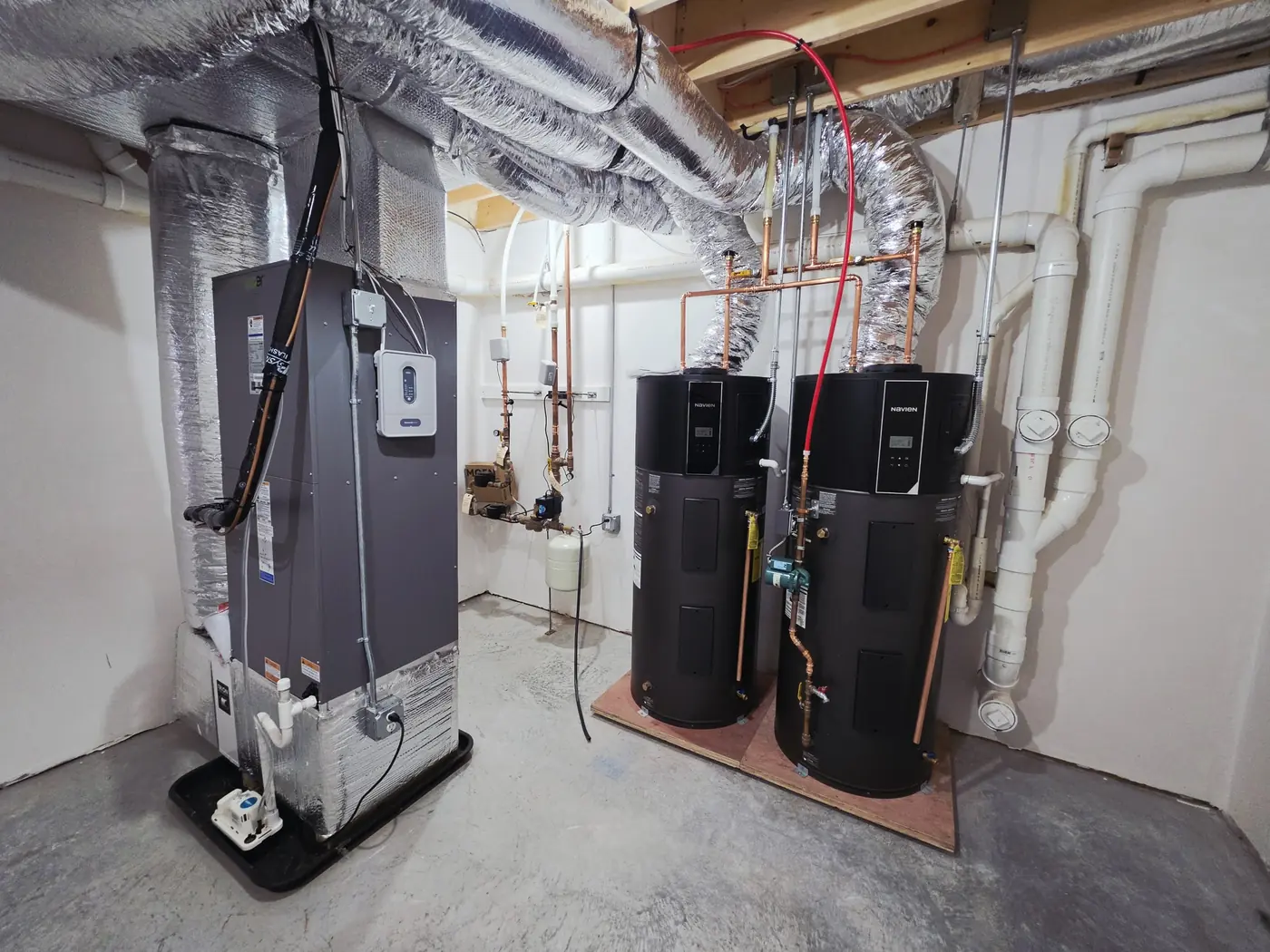
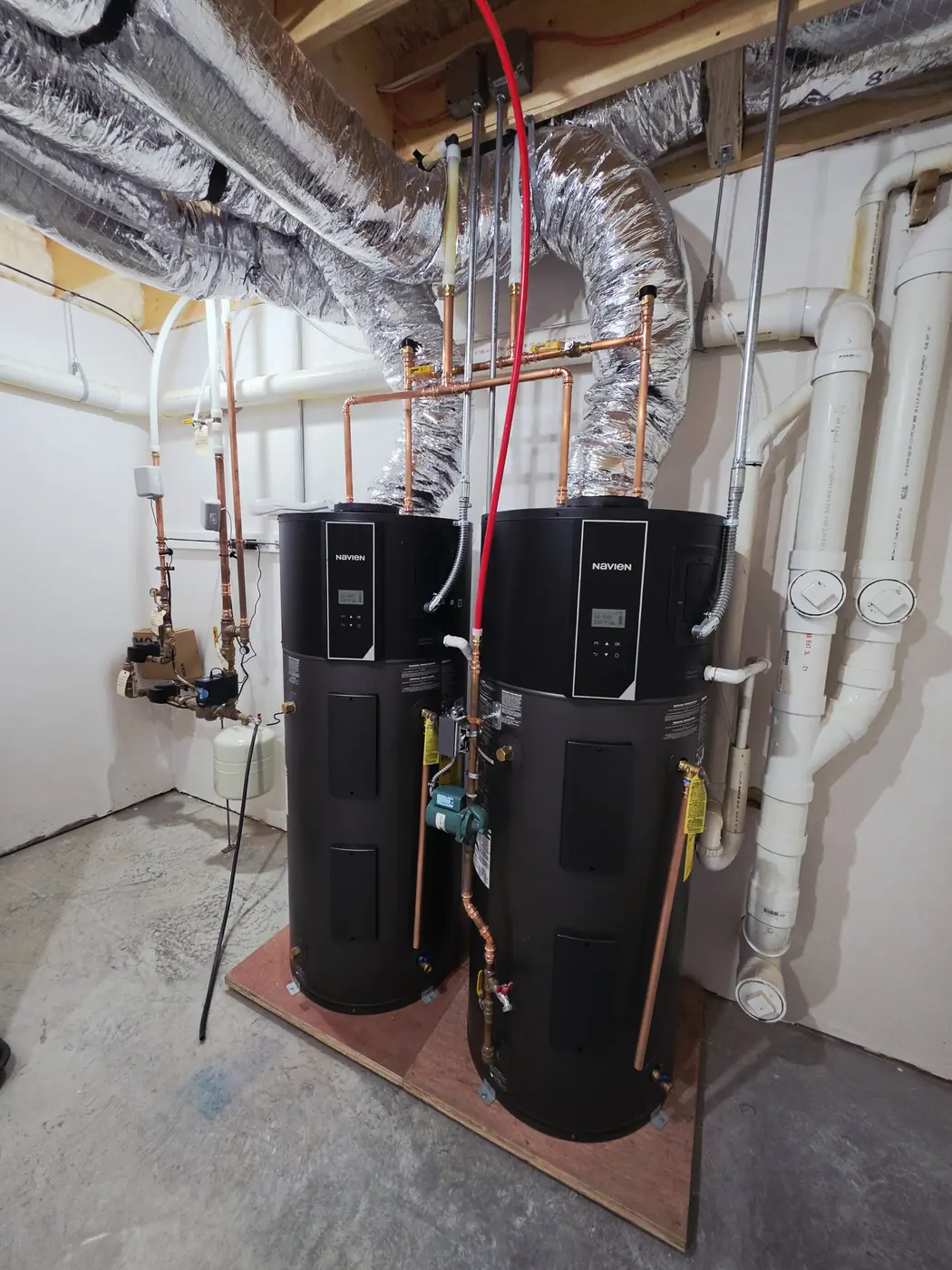
- Heat pump water heaters — a $750 rebate on a qualifying ENERGY STAR unit. A heat pump water heater is a plumber's install and a far more efficient way to make domestic hot water than a standard electric tank.
- Air-source heat pumps — up to $8,500 for a whole-home install (about $2,650 per ton), and up to $16,000 for income-eligible households.
Amounts and eligible models are set each program year, so treat these as the 2026 figures and confirm the current numbers before you buy. (Figures per the official Mass Save rebates page, 2026 program year.)
The 0% HEAT Loan
Separate from the rebates, Mass Save offers the HEAT Loan — 0% interest financing up to $25,000 (the cap effective since January 1, 2025) through participating lenders, repaid over a set term. Unlike the rebates, the HEAT Loan covers a wide range of qualifying energy improvements — heat pumps, heat pump water heaters, insulation and more. For a bigger-ticket upgrade, zero-interest financing changes the math: you move to better equipment now and repay it over time without interest piling on.
How the process usually goes
The exact steps depend on the incentive, but the shape is consistent:
- Home energy assessment. Many incentives start with (or reward) a no-cost Mass Save assessment of your home.
- Install qualifying equipment, to code. The work needs to be done properly — permitted, inspected, and by a licensed contractor — using equipment that meets the program's requirements.
- Documentation and claim. Rebates require the right paperwork: model numbers, invoices and proof the install meets the rules.
These are 2026 program-year figures. Rebate amounts, eligible models and the HEAT Loan cap are updated periodically — confirm the current details on the official Mass Save website, or ask us to check the incentives that apply to the exact equipment we quote.
Where we fit in
We're the plumbing and heating side of the equation, not the program administrator — but the two are tightly linked, because a rebate generally hinges on the equipment being eligible and the install being done right. When we quote a heat pump water heater or a boiler or water heater, we tell you straight which options still qualify under the current program, install them permitted and inspected, and hand you the documentation you need so the savings actually land. If you're weighing tankless versus tank or an older boiler replacement, that's the perfect time to factor incentives — and the 0% HEAT Loan — into the decision.
Frequently asked questions
Does Mass Save still cover gas boilers and furnaces?
No. As of 2025, Mass Save stopped offering rebates for fossil-fuel heating — natural gas, oil and propane boilers and furnaces, even high-efficiency condensing models — except for income-eligible households. Incentives now target heat pumps and heat pump water heaters.
How much is the Mass Save heat pump water heater rebate?
$750 on a qualifying ENERGY STAR heat pump water heater for the 2026 program year, when installed by a licensed plumber. Whole-home air-source heat pumps can qualify for up to $8,500 (up to $16,000 for income-eligible households).
What is the HEAT Loan?
It's 0% interest financing up to $25,000 through Mass Save and participating lenders for qualifying energy-efficiency improvements, repaid over a set term. It still applies to a wide range of upgrades, including heat pumps and heat pump water heaters.
Do I need a licensed contractor to qualify?
Generally yes — rebates typically require eligible equipment installed to code by a licensed contractor, with the proper permits and documentation. We install high-efficiency systems permitted and inspected.
Planning a heating or water-heater upgrade? Ask us which options may qualify for rebates.