
See a real emergency: water meter leak repaired same-day →
Every January I get the same call: water pouring through a ceiling because a pipe froze, split, and then thawed. The good news is that frozen pipes are almost entirely preventable. After years of winters across Greater Boston, here's exactly what I tell homeowners to do.
Why pipes freeze (and why they burst)
When water freezes it expands. Inside a closed pipe, that expanding ice pushes water toward the closed end — usually a faucet — and pressure builds between the ice blockage and the faucet. It's that trapped pressure, not the ice itself, that splits the pipe. The pipe often holds until it thaws, which is why a burst frequently shows up after the cold snap, not during it.
Which pipes are most at risk
The vulnerable pipes are the ones exposed to cold air or running through unheated space:
- Pipes in unheated basements, crawl spaces, attics and garages
- Lines along exterior walls with little or no insulation
- Outdoor hose bibs and sprinkler/irrigation lines
- Plumbing in additions or rooms that were never well heated
Before a deep freeze
A little prep in the fall saves a lot of grief in January:
- Insulate exposed pipes with foam sleeves, especially in the basement and garage.
- Seal drafts near pipes — gaps around the sill, vents and where lines pass through walls let freezing air right onto the pipe.
- Disconnect garden hoses and shut off and drain outdoor hose bibs and irrigation lines. Our outdoor faucet winterizing guide walks through it step by step.
- Find your main water shut-off now and make sure it turns freely. In an emergency, seconds matter.
Not sure where your main shut-off is or whether it still works? It's worth a quick visit before winter — a seized valve is useless when you need it most.
During a cold snap
When temperatures drop into the teens or below, especially with wind:
- Let vulnerable faucets drip. A trickle of moving water is much harder to freeze and relieves pressure.
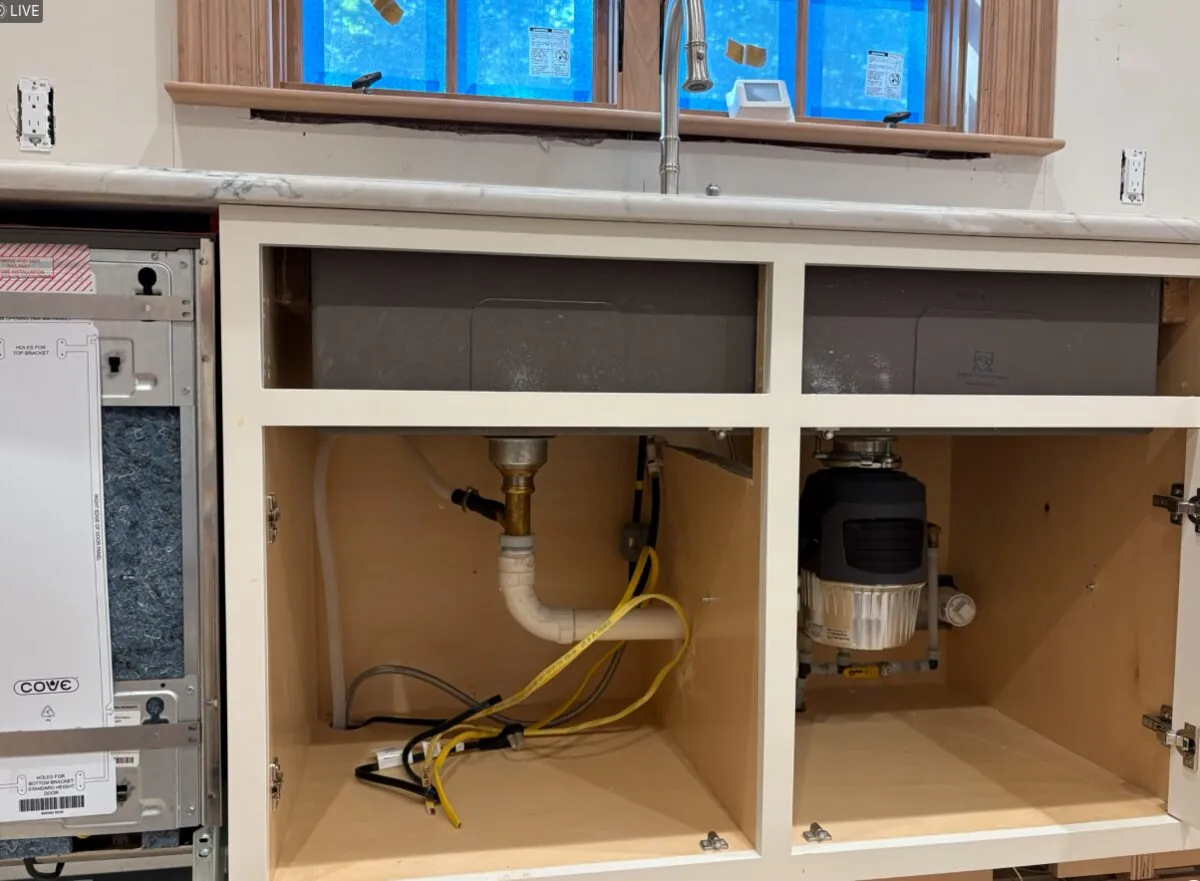
- Open cabinet doors under sinks on exterior walls so room heat reaches the pipes.
- Keep the heat on, at least 55°F, even if you're away. Never let the house go cold to save a few dollars.
- Keep the garage door closed if there's plumbing in or above it.
If a pipe is already frozen
If you turn on a faucet and only a trickle comes out, you likely have a freeze starting. Act calmly:
- Open the faucet so water and steam can escape as the ice melts.
- Apply gentle heat — a hair dryer, heat lamp or towels soaked in warm water. Work from the faucet end back toward the cold spot.
- Never use an open flame or a blowtorch. It's a fire risk and can damage the pipe.
- If a pipe has already burst, shut your main water valve immediately and call.
A burst pipe is an emergency — shut your main valve and call right away. See our 24/7 emergency guide for the exact steps.
Going away for the winter
Most of the worst freeze damage I see happens in a house nobody was in. If you'll be gone for more than a couple of days in January or February:
- Keep the thermostat at 55°F or higher and make sure the heating system has had its fall tune-up — a boiler that quits on day two of a trip is how a whole house freezes.
- Shut off the main water valve and open the faucets to drain the lines. With no water in the pipes there's nothing to freeze or flood.
- Ask someone to check the house every day or two during a cold snap, and give them your plumber's number.
- For a vacant or seasonal home, consider a professional winterization: draining the supply lines and water heater and adding plumbing antifreeze to the traps.
Frost-free sillcocks and heat cable
Two upgrades fix most repeat freezes. A frost-free sillcock replaces an old outdoor faucet with one whose valve closes inside the heated wall, so the part exposed to the cold drains dry when you shut it off. It only works if it's pitched to drain and the hose is disconnected. For a pipe that can't be rerouted out of a cold space, a UL-listed, self-regulating heat cable installed exactly to the manufacturer's instructions (with insulation over it) keeps it above freezing. Both are small jobs compared to a ceiling repair.
Frequently asked questions
At what temperature do pipes freeze?
Water freezes at 32°F, but pipes in a heated house usually aren't at real risk until the outdoor temperature drops into the low 20s or below — sooner if the pipe runs through an unheated space or an exterior wall exposed to wind. In a typical Massachusetts winter that happens several times a season.
Should I drip my faucets at night?
On the coldest nights, yes — for faucets on exterior walls or fed by pipes through unheated space. A slow drip keeps water moving and relieves the pressure that actually splits a pipe. Drip both hot and cold on a single-handle faucet.
What temperature should I keep my house at when I'm away?
Never lower than 55°F, day and night. For a long absence, also shut off the main water valve and open the faucets to drain the lines, or have someone check the house every day or two during a cold snap.
Will a frost-free sillcock stop my outdoor faucet from freezing?
Only if it's used correctly. A frost-free sillcock closes the valve inside the heated wall, but it can still split if a hose is left connected, because the water trapped in the hose keeps the valve body full. Disconnect hoses every fall.
Does homeowners insurance cover a burst pipe?
Policies differ, so check yours. Sudden water damage from a burst pipe is often covered, but insurers can deny claims where the house wasn't kept heated. Photograph the damage, shut off the water and call a plumber right away.
When to call a plumber
Call if you can't locate the freeze, can't get the pipe thawed, find a pipe has already split, or you simply want it handled right. We can also help you winter-proof the at-risk spots before the cold hits — and if your heat or hot water quits in the middle of it, that's something we handle too. For everyday repairs and repipes, see our plumbing services.
Frozen or burst pipe right now? We answer 24/7 across Greater Boston.